
When I booked a two‑night break in the Lake District last spring, I set a strict cap of £150 for transport, food and fun. By the end of the trip I’d spent exactly £149.70, and I still felt like I’d splurged on adventure. The secret isn’t cutting corners; it’s planning every pound so the experience feels larger than the budget.
Map the route and lock in the cheapest travel
First, compare train, coach and car‑share prices on the same day. A quick check on National Rail’s “Advance” tickets showed a return fare of £27 for a Saturday morning departure, versus £42 for a similar coach slot. If you’re flexible, travelling after 10 am often drops the fare by another £5. Book the ticket at least three weeks ahead – the price cut is usually around 15 % compared with buying on the day of travel.
Don’t forget to factor in parking. Many city centres charge £5‑£8 per day, but a park‑and‑ride on the outskirts costs just £2. A short walk or a rented bike can shave another £3 from your daily total.
Accommodation hacks that feel like a boutique stay
Instead of a hotel, look for “micro‑hotels” or well‑rated B&Bs that offer a private room and breakfast for under £45 per night. In York, I found a three‑star guesthouse with a rooftop terrace for £42, which included a continental breakfast worth at least £7. If you travel with a friend, split the cost – the per‑person price drops dramatically.
Another trick: book a room that offers free cancellation and monitor price drops for the same dates. I received a notification that the rate fell from £42 to £38, and the hotel honoured the lower price when I re‑booked.
Food: Eat like a local without blowing the budget
Skip the tourist‑trap restaurants that charge £15 for a plate of fish and chips. Instead, head to the market stalls or small cafés where a hearty lunch costs £6‑£8. In Bath, I bought a cheese and ham baguette for £5 and paired it with a locally brewed soda for £1.50 – a total that still felt indulgent.
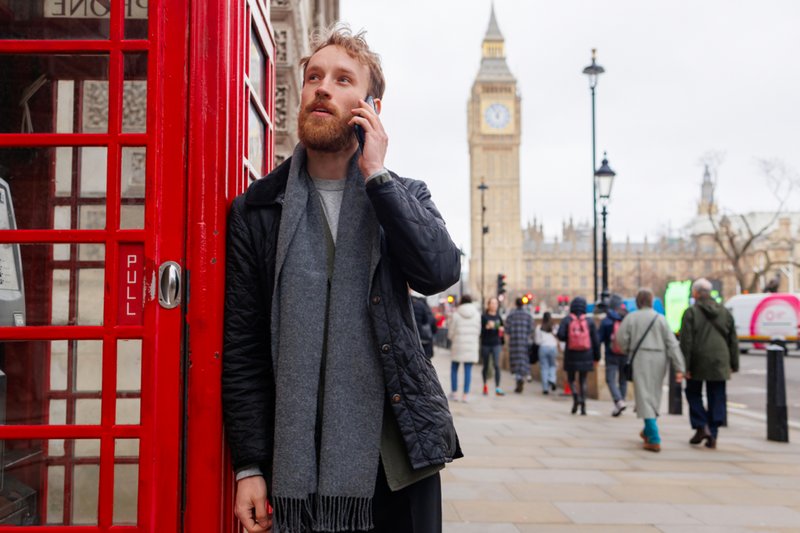
Plan one “splurge” meal per weekend. Allocate £30 for a dinner at a well‑reviewed eatery and keep the rest of the meals simple. This way you get a taste of the city’s culinary scene without the guilt of overspending.
Free or cheap thrills: prioritize experiences over extras
Most towns offer free walking tours, museum entry days, or natural attractions that cost nothing. In Edinburgh, the Royal Mile is a free outdoor museum, and the National Museum of Scotland has no entry fee. If you want a guided experience, tip the tour guide £5 instead of paying a pricey packaged tour.
When you need a ticketed activity, look for “late‑afternoon” discounts. Many attractions cut 20 % off tickets after 4 pm, which can turn a £20 entry into £16 – a small saving that adds up across a weekend.
Smart budgeting tips for thrilling weekend getaways also apply to online entertainment
If you enjoy the occasional online game night, the same principles work. Set a weekly limit, compare subscription deals, and take advantage of free‑to‑play trials. For a quick reference on balancing fun and finance, check out ninewin uk for ideas that bridge the gap between travel thrills and digital play.
Track every expense in real time
Use a budgeting app on your phone and log each cost as it happens. I prefer the “envelopes” method: create virtual envelopes for transport, lodging, food and activities. When an envelope hits zero, I either pause spending or shift funds from a less‑essential category. Seeing a red bar fill up is a clear signal to stop splurging.
At the end of the weekend, review the report. Did you stay under budget? Which category surprised you? Adjust your next trip’s plan based on those insights.
Wrap‑up: the thrill is in the planning, not the price
Budget‑savvy weekend getaways prove you don’t need a massive bankroll to chase excitement. By locking in cheap travel, choosing value‑packed lodging, eating like a local, and hunting free attractions, you stretch every pound. The real reward is the sense of control you feel when you return home with a full wallet and a head full of memories.
Frequently Asked Questions
How do I keep my transport costs within £150?
Compare train, coach, and car‑share fares on the same day and book advance tickets for the cheapest option.
What’s the best way to budget food for two days?
Set a daily allowance, shop at local markets, and use free or low‑cost picnic spots.
Can I still enjoy activities on a tight budget?
Prioritise free hikes, local attractions, and book discounted tickets in advance.
Why is planning each pound important?
It ensures you stay on budget while feeling the experience larger than the money spent.
